
Blog
What Happens During a Boiler Service? A Step-by-Step Guide
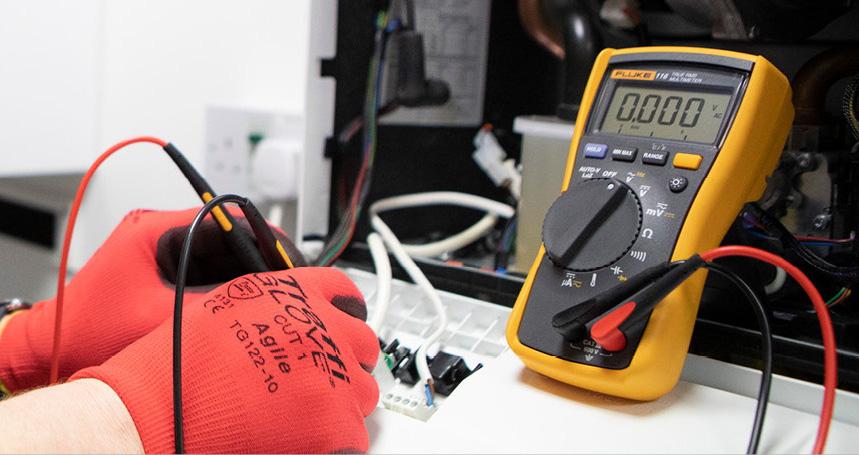
A boiler service is a chance to assess how the appliance is operating, not just whether it switches on. What the engineer checks can vary with the boiler’s make, model, condition and the manufacturer’s instructions, so there is no single checklist that fits every appliance.
Here at Fireside Gas Heating Ltd, we service boilers across Birmingham. If you want the overview of the service itself, see our Boiler Servicing page. Below, we explain what the work may involve and why each part matters.
1. Identifying the boiler and its condition
The first step is to establish what boiler is fitted and inspect its visible condition. The make and model matter because servicing requirements differ between appliances. The engineer can use the manufacturer’s instructions to guide the checks rather than assume every boiler is built or maintained in the same way.
A visual inspection can help identify signs that need closer attention, such as water leaking from the boiler, damage, corrosion or deterioration around accessible components. These clues do not always reveal the cause by themselves. For example, moisture near a connection may point to a leak, but the source and significance need to be assessed rather than guessed from the stain alone.
It is useful to tell the engineer about anything you have noticed: unusual noises, recurring pressure changes, error messages or heating that has become inconsistent. That context can help distinguish a one-off observation from a problem that needs investigating. A service is not automatically a repair, so if a fault needs further work, the cause and next steps should be discussed with you.
2. Checking safe operation and combustion
A boiler burns gas to produce heat, so checking how it is operating is central to the service. The engineer assesses whether combustion is occurring correctly and whether the appliance is operating safely. This is different from simply seeing a flame or confirming that the radiators warm up. A boiler can appear to work while still needing attention.
The checks and measurements used depend on the appliance and the applicable manufacturer’s instructions. Their purpose is to assess operation, not to provide a blanket promise that no fault can develop later. A service gives a view of the boiler’s condition at the time it is carried out. If a result points to a concern, it needs to be explained and dealt with appropriately rather than treated as a routine tick-box.
Carbon monoxide cannot be reliably identified by smell or sight. That is why safety assessment belongs with a qualified engineer, not a homeowner trying to judge the boiler by its appearance. Do not remove the boiler casing or adjust gas components yourself. If you have a concern about the appliance’s safety, stop using it and seek advice from a Gas Safe registered engineer.
3. Looking for wear, damage and leaks
The engineer also looks for signs of wear or damage that could affect the boiler’s operation. The exact areas that can be inspected vary by design and access. The aim is to spot developing issues and assess whether they affect safe or reliable operation, rather than assume that every mark or ageing component means the boiler needs replacing.
A service and a repair are different jobs. Servicing involves checking the boiler and assessing its condition. Repair work addresses a fault, and may require additional investigation, parts or work beyond the service itself. If a problem is found, ask what was observed, what it means for the boiler and whether any further work is recommended before deciding how to proceed.
4. What you can do before the visit
You do not need to open the boiler or prepare its internal parts. Make sure the engineer can reach the appliance, and share any symptoms or changes you have noticed. If the boiler has displayed an error, noting the message can be more useful than trying to reset it repeatedly. Keep any available boiler paperwork or service records nearby, as these may help identify the model and its maintenance history.
The service focuses on the boiler. It should not be confused with a full central heating overhaul, a power flush or a repair visit. If you are also concerned about radiators, heating controls or hot water performance, mention those issues so their relationship to the boiler can be considered. Whether they can be assessed as part of the same visit depends on what is found and the work required.
What to expect from the outcome
At the end, the useful result is a clear explanation of the boiler’s observed condition, any issue identified and whether further work is recommended. A service is most valuable when you understand what was checked and what the findings mean for your appliance, rather than receiving only a general statement that it has been serviced.
For homeowners in Birmingham, we can explain what a boiler service involves and discuss any concerns you have noticed before the appointment. Contact Fireside Gas Heating Ltd if you would like to arrange a service or talk through what your boiler may need.